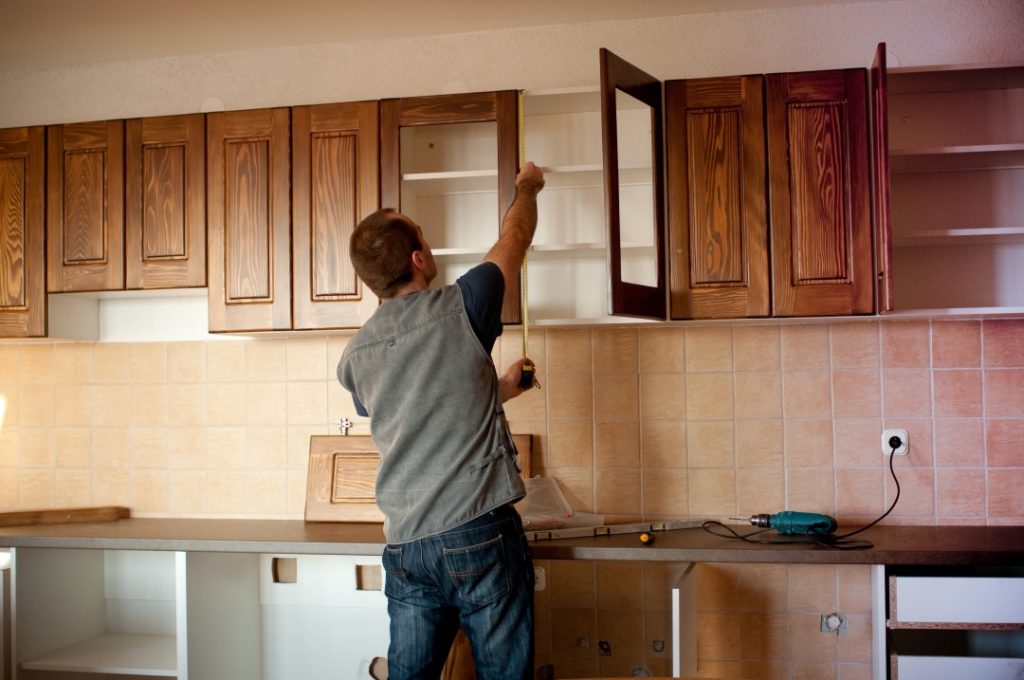
While veneers seem cheap upfront, they deteriorate quickly in high-traffic kitchens. Moisture damage can cause rippling, cracking, or warping, which often leads homeowners to consider San Jose Cabinet Refinishing as a longer-lasting solution.
Regular maintenance prevents small problems from becoming structural damage. For example, repairing loose hinges, tightening screws, and wiping down surfaces immediately helps maintain stability.
Refinishing veneer cabinets is possible, but requires extra care to avoid damage. The process is similar to refinishing solid wood furniture, though it demands more precision due to the thinner material.
Limitations
Veneer cabinets are a popular choice for cabinet refinishing and refacing projects. They offer a less expensive and more straightforward option than complete replacement of the existing cabinetry. However, there are several limitations associated with veneer that should be considered before choosing this solution for a renovation project.
The most significant drawback of refinishing veneer cabinets is their vulnerability to moisture-related damage. Due to their thin composition, moisture seeps into the space between the veneer and the underlying cabinet material, which can lead to warping and unsightly bubbles. This type of damage is difficult to repair and can jeopardize the integrity of the cabinetry.
Another disadvantage of refinishing cabinets with veneer is that new paint and stain tend to chip more easily than solid wood cabinetry. This is due to the fact that kitchen cabinet surfaces typically experience a great deal of moisture penetration from cooking steam, spills, and splatter. This moisture penetration causes the surface to weaken and deteriorate, which ultimately results in chips and flaking.
While the initial cost of solid wood furniture may seem expensive, it will last much longer than a piece made from plywood or MDF with a veneer coating. This long-term investment is a good idea for residential use as well as commercial and multi-family developments where budgets are typically tighter.
Real wood veneer is a great choice for refinishing cabinets because it offers design flexibility and style options. It is available in many different finishes, including matte, satin, and high gloss, and can be crafted into a wide variety of shapes and sizes. Additionally, it comes in a range of wood grain patterns such as flat cut, rift cut, quarter cut, and rustic planked.
The most important consideration for homeowners looking to refinish their cabinetry with veneer is the level of expertise required. It’s essential to follow the correct prepping techniques to ensure the longevity of the new finish. This includes cleaning the surface to remove grease and dust, followed by light sanding to expose the natural wood grain and allow for proper bonding of the new finish. It is also critical to use high-quality sandpaper to prevent over-sanding and damaging the veneer.
Prep Techniques
Veneer is a thin slice of real wood, often less than 1/8 inch thick, glued onto core materials like particle board or medium-density fiberboard (MDF) to create furniture. This process allows for the use of lower cost raw materials while retaining the appearance of solid wood and is a popular choice for modern furniture. Because of its flexibility, veneer offers the option for a wide range of design styles, from simple modernization to more dramatic, statement-making looks.
Unfortunately, veneer isn’t as durable as solid wood and can begin to chip or peel over time, making it necessary to refinish the piece. Painting is one of the easiest and most cost-effective ways to refresh a piece of furniture, and painting veneer cabinets is no exception. This type of project requires some serious elbow grease and preparation, however, to ensure that the job is done correctly.
While it may seem counterintuitive, it’s possible to paint wood veneer that has a natural finish intact. To do so, the surface will need to be thoroughly cleaned, then lightly sanded. Light sanding will remove any imperfections and provide the smooth surface needed for good paint adhesion. This is the key to ensuring that the new coat of paint will be long-lasting and not flaky or sticky.
It’s important to use a high-quality water-based primer when painting wood veneer, and it’s best to avoid oil-based products altogether as they can cause bubbling and cracking. Then, follow up with a few coats of paint, allowing adequate drying time between each application. If any spots have been sanded through to the core material, fill them with a quality wood filler.
To make sure the finished product is a professional-quality job, it’s always a wise idea to hire an experienced cabinet refinisher to do the work. They can help with prep techniques, choose the right paints and finishes, and ensure a seamless look.
Whether you’re looking for an easy modernization or a bold, contemporary look, refinishing your veneer cabinets can make a big difference in the appearance of your kitchen. It takes a bit of elbow grease, but if you have the time and inclination to tackle the task, it’s well worth the effort.
Risks
Refinishing is a good option for homeowners looking to improve their kitchen without the cost of full-scale cabinet replacement. It involves removing the existing finish and applying a new coat of paint to achieve the desired results. However, it’s important to understand the limitations and risks involved with this project. The first step in the process is thoroughly cleaning the cabinets with a mild cleaner. Over time, kitchens accumulate grease, dust, and other debris that can prevent the new paint from adhering to the surface. Once the cabinets are clean, a light sanding is recommended to help remove any rough spots and reveal the wood grain. This will help the new paint adhere to the cabinet surface and allow for a smooth, even coat.
Veneers are a thin layer of wood or thermofoil plastic (also known as melamine) that is glued to particle board. These materials are cheap and durable enough for use as a cabinet face, but they’re not as sturdy as solid wood. They’re also prone to moisture damage, which can lead to warping, bubbles, and drooping over time. In addition, they are susceptible to fluctuating temperatures and humidity levels, which can cause them to expand and shrink at a different rate than the wood underneath them.
Despite the drawbacks, veneer cabinets are a great option for many homes. They can be a good alternative to solid wood cabinetry, which is more expensive upfront and is prone to environmental factors that may shorten its lifespan. In addition, they’re much less expensive than a complete cabinet replacement.
To maximize the longevity of your veneer cabinets, proper maintenance is critical. Regular cleaning is a must, as well as keeping humidity and temperature levels consistent throughout your home. It’s also important to handle your cabinets with care, as slamming them shut can damage the veneer and hinges over time. In general, the best way to ensure your cabinet refacing project lasts is to hire a professional. They’ll have the expertise and tools to make your cabinets look beautiful and last for years to come.
Replacement
Cabinets make a significant impact on your kitchen’s look and feel. If they begin to appear worn or dated, you can give them a facelift by refinishing or replacing them. Which is the right choice for you? Choosing to replace your cabinets allows you to overhaul the entire room, but it can be costly and a major project that requires contractors. Refinishing is less expensive and can be done by anyone with basic DIY skills and ambition.
When you have veneer cabinetry in need of a refresh, it’s important to consider what type of finish will work best. Veneer is typically a thin layer of real wood laminated to a core. This combination provides superior stability to solid wood, minimizing issues like warping and expansion that may occur with solid material alone.
Before refinishing, your cabinets should be cleaned and lightly sanded to remove any remaining paint or varnish. This will help ensure an even finish and a smooth surface that can be painted or stained. If you’re concerned about sanding your veneer, opt for a light sanding with fine-grit paper (320 — 400). This will prevent you from damaging the surface underneath.
You should also consider the types of adhesives that can be used on your cabinets, especially when working with a vertical surface. For example, when refinishing a dresser or other piece that can’t be laid flat, contact glue is often preferred over traditional PVA wood glue because it bonds instantly and won’t sag due to gravity, as slow-curing PVA will. For a strong bond, it’s also essential to clamp vertical surfaces of the furniture while the glue sets.
When you’re ready to refinish your veneer cabinets, it’s important to use only the highest-quality materials. This includes sandpaper, primer and paint that’s designed for use on veneers. It’s also a good idea to purchase a respirator and gloves to protect yourself from the fumes associated with stripping. Once the primer and paint are applied, you can reinstall your cabinet doors, drawer fronts and hardware for a completely refreshed look.